.svg)

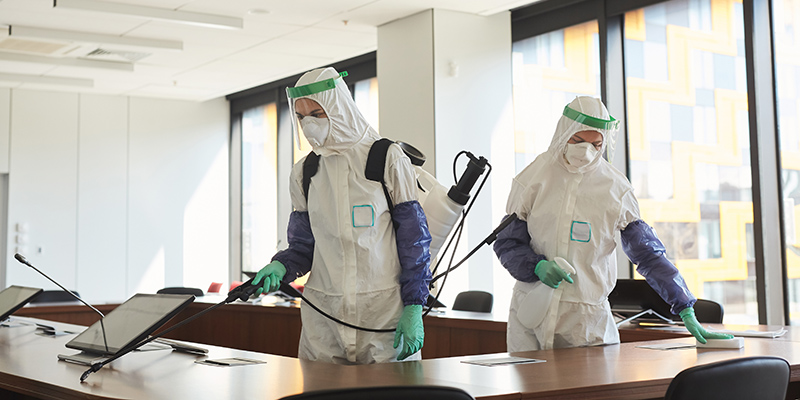
Cleaning human feces isn’t a task many business owners want to perform. However, if human excrement or other biohazardous substances (such as blood or urine) arises near your business, quick cleanup is key. Leaving human waste near your business exposes your patrons and employees to pathogens and bacteria that can make them sick — not to mention, if you’ll pardon our pun, “take a dump” on your reputation.
Despite the challenges, many business owners are compassionate to the situation. Unlike vandalism or graffiti, human waste is a very human problem. Business owners often empathize with anyone brought to the position of using their storefront as a restroom. We’ve all been there—stuck in traffic, at work, or managing a business when nature calls at the worst possible time. Imagine having uncertain access to a restroom when nature calls in a way that cannot be ignored.
At the same time, the situation needs to be handled, and there are some “dos and do nots” to know when disposing of feces and other types of human waste.
Removing feces or urine from your storefront is a situation a number of business owners will face — at least if they operate a brick and mortar business or retail store. And, just like other workplace hazard situations, the employer likely has a duty to perform an inspection of the site.
Biohazards are traditionally defined as materials that pose risks to humans, such as poisonous chemicals or an infectious disease. Feces can contain diseases like norovirus, C. Diff, E. coli, or Giardia.
So is human waste a biohazard? It depends on your inspection, but very often the answer is yes.
Busy managers or store owners often turn to their employees to deal with unpleasant poop situations, but be careful:
While human waste disposal isn’t exactly a dinner-table conversation, it’s a real issue—especially with fewer public restrooms and strict disposal laws. Business owners and public property managers often face unexpected restroom incidents in storefronts, parking lots, or public spaces, leaving them scrambling for a quick and sanitary solution. Take the time to come to grips with the situation: once the hazard is assessed, you’ll have a better idea of how to move forward.
After inspecting the hazard, the next point of inspection is the area around the substance (such as blood, vomit, or feces). Check for splashes or splatters and restrict the area around the substance as well. Then, gather up your gloves, clean your hands, and (if there’s any possibility of splashing), put on a face mask or gown.
Despite centuries of innovation, we still haven’t solved the problem of “needing to go” on the go. Before modern plumbing, people carried chamber pots, relied on public latrines, or, in earlier cases, used the nearest alleyway. Today, restroom closures leave both individuals and businesses struggling with waste management.
As a business owner, discovering human waste on your property is never pleasant. Whether it’s in a storefront, parking lot, or outdoor space, quick and proper cleanup is essential to protect public health and maintain your business’s reputation. While compassion is important, so is taking proactive steps to prevent and manage these situations effectively.
Here are some practical strategies to help you handle—and prevent—human waste incidents:
If your property is in an area with limited restroom access, consider offering discreet solutions like human poop bags or portable toilets. These can be a lifesaver for travelers, delivery drivers, or anyone caught in an emergency. While it’s not your responsibility to provide restrooms, these small gestures can prevent larger cleanup issues.
Dark, secluded corners of your property can attract unwanted behavior. Installing motion-activated lights can deter people from using these areas as impromptu restrooms. It’s a simple, cost-effective way to reduce the likelihood of incidents.
Guide people to the nearest public restrooms or waste disposal points with clear signage. If your property is near parks or trails, consider adding educational signs about proper outdoor waste disposal methods, like using WAG bags (Waste Alleviation and Gelling bags) or the cathole technique also known as “Dig & Bury”.
If your business area lacks public restrooms, consider partnering with other businesses or local authorities to advocate for more facilities. A cleaner community benefits everyone, and your voice as a business owner can make a difference.
Human waste is a biohazard, and improper cleanup can expose your employees and customers to harmful pathogens. While some situations can be handled in-house, others require professionals equipped with the right tools, protective gear, and knowledge of local regulations to ensure the job is done safely and effectively. When accidents happen, knowing when to call in experts can save time, stress, and protect yourself from potential liability.
Proper human waste disposal is essential for public health, environmental protection, and legal compliance. In Calgary, fines for violations range from $50 to $300, underscoring the importance of addressing these incidents promptly. For business owners, ensuring proper waste cleanup and sanitation isn’t just about maintaining a professional image—it’s about protecting your customers, employees, and community.
Taking proactive steps you can reduce the likelihood of incidents on your property. However, when such accidents happen, swift action is key. While some situations can be handled in-house, others require professionals with the right expertise and equipment to ensure the job is done safely and effectively.
Remember, a clean and safe property isn’t just good for business—it’s good for everyone.
